Help Stop Aquatic Invaders – Read WAMSCO’s Summer AIS Newsletter ͏ ͏ ͏ ͏ ͏ ͏ ͏ ͏ ͏ ͏ ͏ ͏ ͏ ͏ ͏ ͏ ͏ ͏ ͏ ͏ ͏ ͏ ͏ ͏ ͏ ͏ ͏ ͏ ͏ ͏ ͏ ͏ ͏ ͏ ͏ ͏ ͏ ͏ ͏ ͏ ͏ ͏ ͏ ͏ ͏ ͏ ͏ ͏ ͏ ͏ ͏ ͏ ͏ ͏ ͏ ͏ ͏ ͏ ͏ ͏ ͏ ͏ ͏ ͏ ͏ ͏ ͏ ͏ ͏ ͏ ͏ ͏ ͏ ͏ ͏ ͏ ͏ ͏ ͏ ͏ ͏ ͏ ͏ ͏ ͏ ͏ ͏ ͏ ͏ ͏ ͏ ͏ ͏ ͏ ͏ ͏ ͏ ͏ ͏ ͏ ͏ ͏ ͏ ͏ ͏ ͏ ͏ ͏ ͏ ͏ ͏ ͏ ͏ ͏ ͏ ͏ ͏ ͏ ͏ ͏ ͏ ͏ ͏ ͏ ͏ ͏ ͏ ͏ ͏ ͏ ͏ ͏ ͏ ͏ ͏ ͏ ͏ ͏ ͏ ͏ ͏ ͏ ͏ ͏ ͏ ͏ ͏ ͏ ͏ ͏ ͏ ͏ ͏ ͏ ͏ ͏ ͏ ͏ ͏ ͏ ͏ ͏ ͏ ͏ ͏ ͏ ͏ ͏ ͏ ͏ ͏ ͏ ͏ ͏ ͏ ͏ ͏ ͏ ͏ ͏ ͏ ͏ ͏ ͏ ͏ ͏ ͏ ͏ ͏ ͏ ͏ ͏ ͏ ͏ ͏ ͏ ͏ ͏ ͏ ͏ ͏ ͏ ͏ ͏ ͏ ͏ ͏ ͏ ͏ ͏ ͏ ͏ ͏ ͏ ͏ ͏ ͏ ͏ ͏ ͏ ͏ ͏ ͏ ͏ ͏ ͏ ͏ ͏ ͏ ͏ ͏ ͏ ͏ ͏ ͏ ͏ ͏ ͏ ͏ ͏ ͏ ͏ ͏ ͏ ͏ ͏ ͏ ͏ ͏ ͏ ͏ ͏ ͏ ͏ ͏
WAMSCO
 

JUNE 2025

Aquatic Invasive Species Newsletter

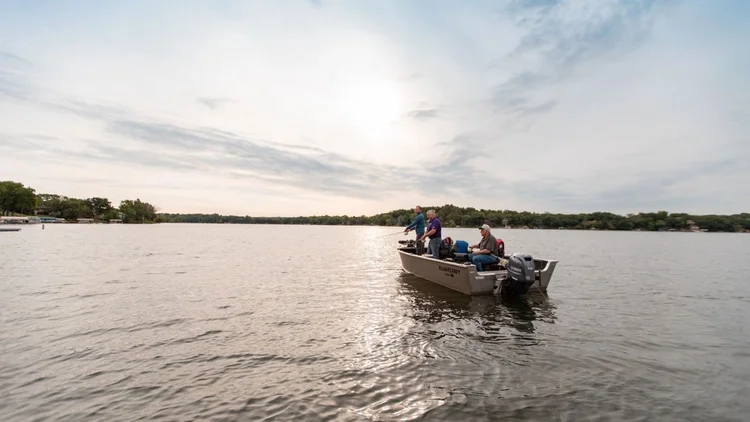
Photo credit: Travel Wisconsin


Welcome to the 2025 Summer Edition of WAMSCO’s AIS Newsletter, Subscriber First Name!

As warmer weather returns and waterways fill with boats, anglers, and outdoor enthusiasts, the risk of spreading aquatic invasive species (AIS) increases dramatically. These unwanted hitchhikers pose serious threats to our native ecosystems and local waterways. In this issue, we’ll share updates and prevention tips to help you stay informed and do your part in protecting our lakes, rivers, and streams this summer.


It’s Free Fishing Weekend &
Drain Campaign — June 6-8

As a waterway user, you’re on the front lines of protecting Wisconsin’s lakes and rivers. The Drain Campaign is a statewide initiative that asks you to take one simple step with a big impact: drain all water from your boat, motor, live wells, and equipment before leaving the launch.

Invasive species like zebra mussels and spiny water fleas can hide in even a small amount of water, hitchhiking to new lakes and harming fish populations, water quality, and recreation. By participating in the Drain Campaign, you're not just following the law—you're actively helping to preserve the waters you love for fishing, boating, and family traditions.

Join fellow outdoor enthusiasts this summer and make draining part of your routine every time you hit the water.

WI DNR — Drain Campaign Article


Prepping for Purple Loosestrife

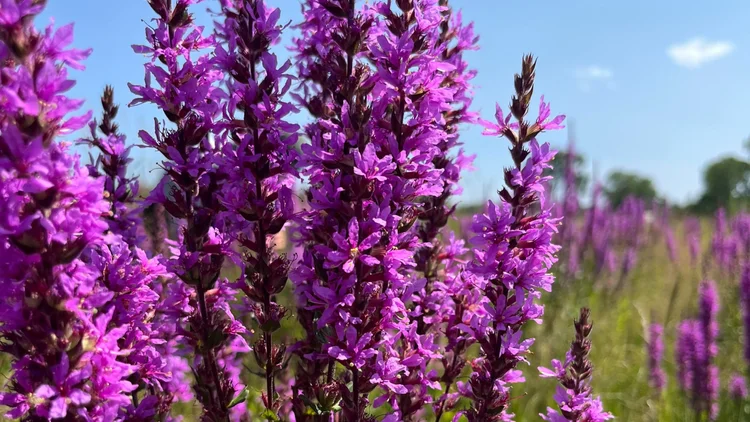
WAMSCO has been out with Menominee County digging up Purple Loosestrife plants! The Biocontrol Program for this invasive wetland plant uses a natural approach to manage its spread. By transporting growing plants to a netted cage, we are able to rear large quanties of special beetles to release later on in the year.

Since 1994, Wisconsin has released over 23 million Galerucella beetles—species that feed exclusively on purple loosestrife—at more than 1,500 sites statewide. These beetles help reduce the plant's growth and seed production, offering a cost-effective, environmentally friendly alternative to chemical or mechanical control.

 Volunteer in the Program 
 

“Weeds” vs. “Invasive Plants”

Which term should we use as a community who wants to protect our waters and promote healthy habitats?

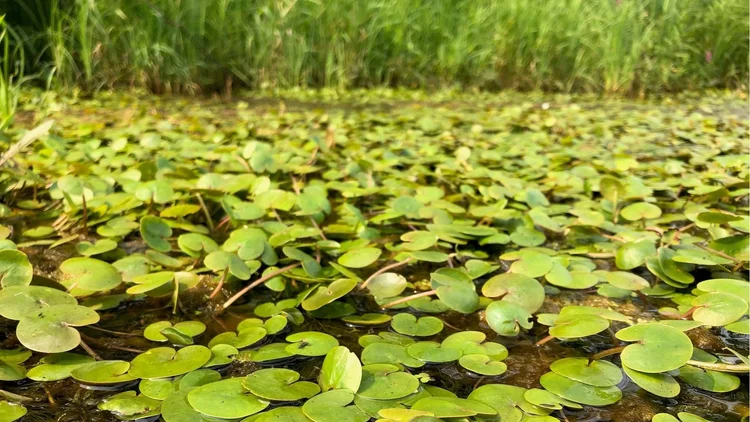
Photo Credit: Wisconsin DNR

Referring to invasive species as plants rather than weeds is important for clarity, accuracy, and public understanding:

  1. Scientific Accuracy: "Invasive species" is a scientific term that refers to non-native organisms that cause harm to the environment, economy, or human health. Not all invasive plants are technically “weeds,” and not all weeds are invasive. Many native plants are considered weeds simply because they grow where humans don’t want them.

  2. Avoiding Misunderstanding: The term "weed" is subjective and often implies nuisance rather than ecological harm. Calling an invasive species a “weed” can downplay its impact, making people less likely to take its threat seriously.

  3. Education: Using the term “invasive species” helps people understand that these plants aren’t just annoyances—they can dramatically alter ecosystems, outcompete native species, and degrade natural habitats.

  4. Encouraging Action: When people hear "weed," they might think of a backyard chore. When they hear "invasive species," it emphasizes the need for coordinated, science-based management efforts and helps build support for prevention and control programs.


Volunteer with us!

Do you want to be a citizen scientist? You can volunteer to do stream, lake, or aquatic invasive species monitoring!

 Sign Up 

Learn more about…
Water Action Volunteers (WAV)
Citizen Lake Monitoring Network (CLMN)


1263 S Main St, Shawano, WI 54166, USA

WAMSCO

Powered by Squarespace

Unsubscribe